Can I write off a water softener on my taxes?
If you’re a homeowner in Mesa, AZ, dealing with hard water is part of everyday life. After installing a water softener to protect your plumbing and…
By JB Water & Air · December 23, 2025 · 4 min read
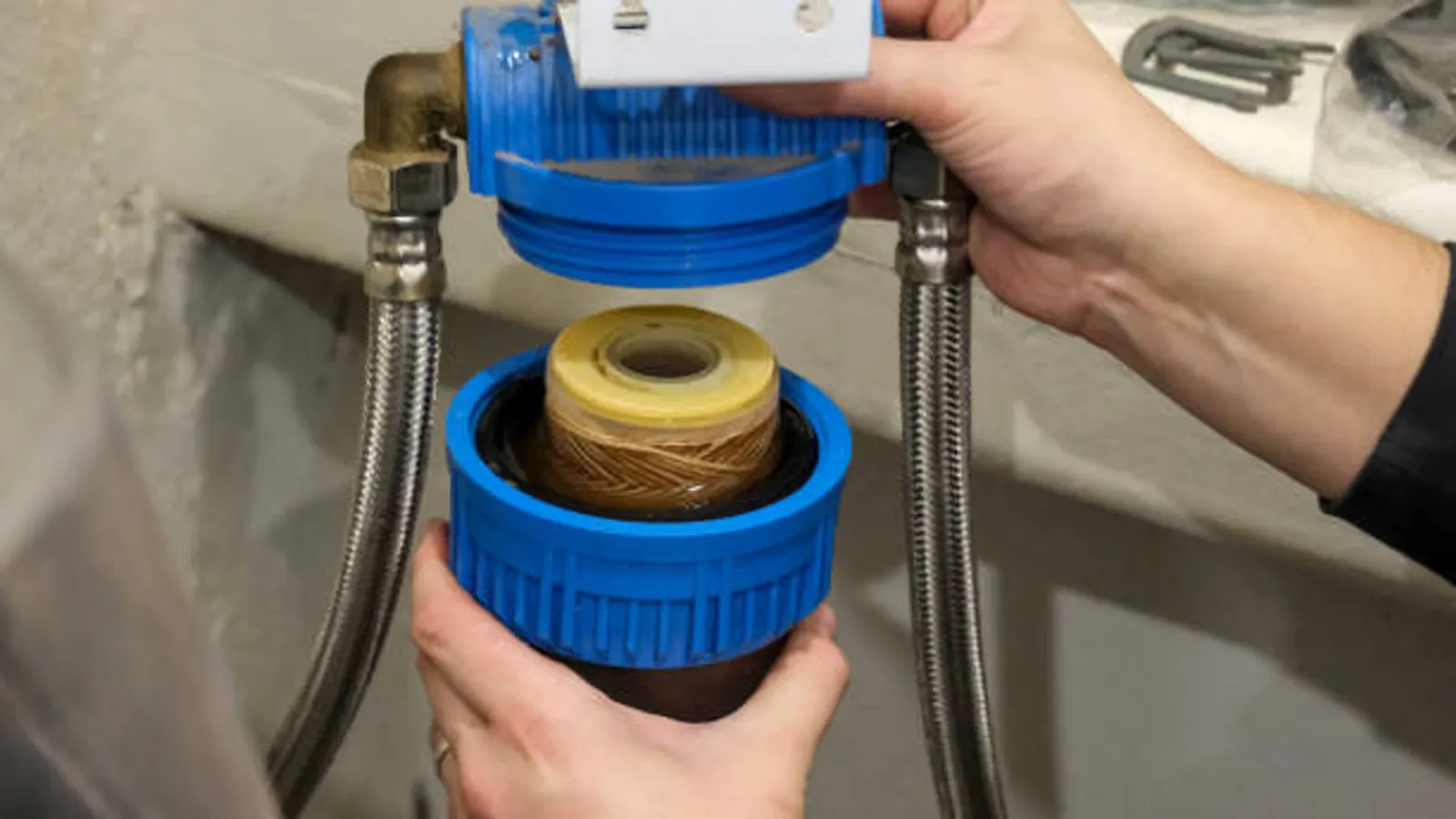
If you’re a homeowner in Mesa, AZ, dealing with hard water is part of everyday life. After installing a water softener to protect your plumbing and appliances, it’s natural to ask a smart follow-up question: can you write off a water softener on your taxes? At JB Water & Air, we hear this question often, especially from homeowners thinking long term about resale value and return on investment.
The short answer is that a water softener is usually not an immediate tax deduction. However, that does not mean it has no tax benefit at all. Understanding how the IRS classifies water softeners and how they affect your home’s tax basis can make a big difference down the road.
How the IRS Classifies a Water Softener
For most homeowners in Mesa, AZ, a water softener is considered a capital home improvement rather than a deductible expense. The IRS defines a capital improvement as something that adds value to your home, extends its useful life, or adapts it to new uses. A whole home water softener often meets this standard because it permanently improves water quality and helps prevent scale damage throughout the plumbing system.
Unlike repairs or routine maintenance, capital improvements are not written off in the year they are installed. Instead, their cost is added to your home’s tax basis. This distinction is critical for understanding when and how the tax benefit actually applies.
What Your Home’s Tax Basis Really Means
Your tax basis is essentially what you have invested in your home. It starts with the original purchase price and increases when you make qualifying improvements. When you sell your home, capital gains tax is calculated using the difference between the sale price and your adjusted tax basis.
Adding a water softener can raise that basis. While the benefit does not show up on your tax return right away, it can reduce how much capital gains tax you owe when you sell. This is where proper documentation becomes extremely important.
When a Water Softener Might Affect Taxes Differently
There are a few less common situations where a water softener could have different tax treatment. If part of your home is used exclusively for business, such as a dedicated home office that meets IRS requirements, a portion of the installation cost may be allocated as a business expense. This requires careful calculations and strict compliance with IRS rules.
In very limited cases, a water treatment system installed for medical necessity may also have partial tax implications. These scenarios typically require documentation from a medical professional and guidance from a tax advisor. For most homeowners, these exceptions do not apply, which is why professional advice is always recommended.
Why Documentation Matters More Than Most Homeowners Realize
Because the tax benefit of a water softener often occurs years after installation, many homeowners forget about it entirely. Without records, even a qualifying improvement may not be counted when calculating your tax basis during a future sale.
You should keep copies of:
- The installation invoice
- Proof of payment
- Permits or inspection records if applicable
- Manufacturer and system specifications
Working with JB Water & Air ensures your water softener is installed professionally and documented correctly, making it easier to support its classification as a permanent home improvement later on.
How Water Softeners Add Real Value in Mesa Homes
Beyond tax considerations, water softeners provide everyday value that buyers in Mesa understand immediately. Hard water is a known issue throughout the area, and homes equipped with a properly installed water softening system often stand out in the market.
Benefits include longer appliance lifespan, reduced plumbing repairs, improved water efficiency, and better performance from fixtures and water using appliances. These advantages help reinforce that a water softener adds real value, not just convenience.
Common Misunderstandings About Tax Write-Offs
One of the most common myths is that any expensive home upgrade is automatically tax deductible. In reality, most improvements to a personal residence are not deducted right away. A water softener is an improvement, not a repair, which is why its value is realized later rather than immediately.
Another misconception is that receipts are optional. Without clear records, you may lose the ability to count the improvement at all. Good documentation protects your investment just as much as the system itself.
Why Talking to a Tax Professional Is Essential
Tax laws change, and every homeowner’s situation is different. Before assuming how a water softener will affect your taxes, it’s important to consult a qualified tax professional. They can confirm whether the installation qualifies as a capital improvement and help you understand how to track it properly over time.
Final Thoughts
So, can you write off a water softener on your taxes? In most cases, no, not in the year it is installed. However, a water softener can increase your home’s tax basis and potentially reduce capital gains taxes when you sell. When combined with the everyday benefits of better water quality and long term plumbing protection, it remains a smart investment for homeowners in Mesa, AZ.
At JB Water & Air, we install water softener systems designed specifically for the hard water conditions found throughout Mesa. We also make sure your installation is properly documented so your investment holds value long after the system is installed.
Read the FAQ: Can I write off a water softener on my taxes? Watch our video :
Before making any tax decisions, make sure your system is properly installed and documented. JB Water & Air provides expert water softener installation in Mesa AZ with full paperwork — call (480) 969-3193 for a free water test.