What causes a water heater to fail?
As more homeowners in Mesa, AZ rely on consistent hot water for daily routines, many do not think about their water heater until something goes wrong. At…
By JB Water & Air · February 24, 2026 · 4 min read
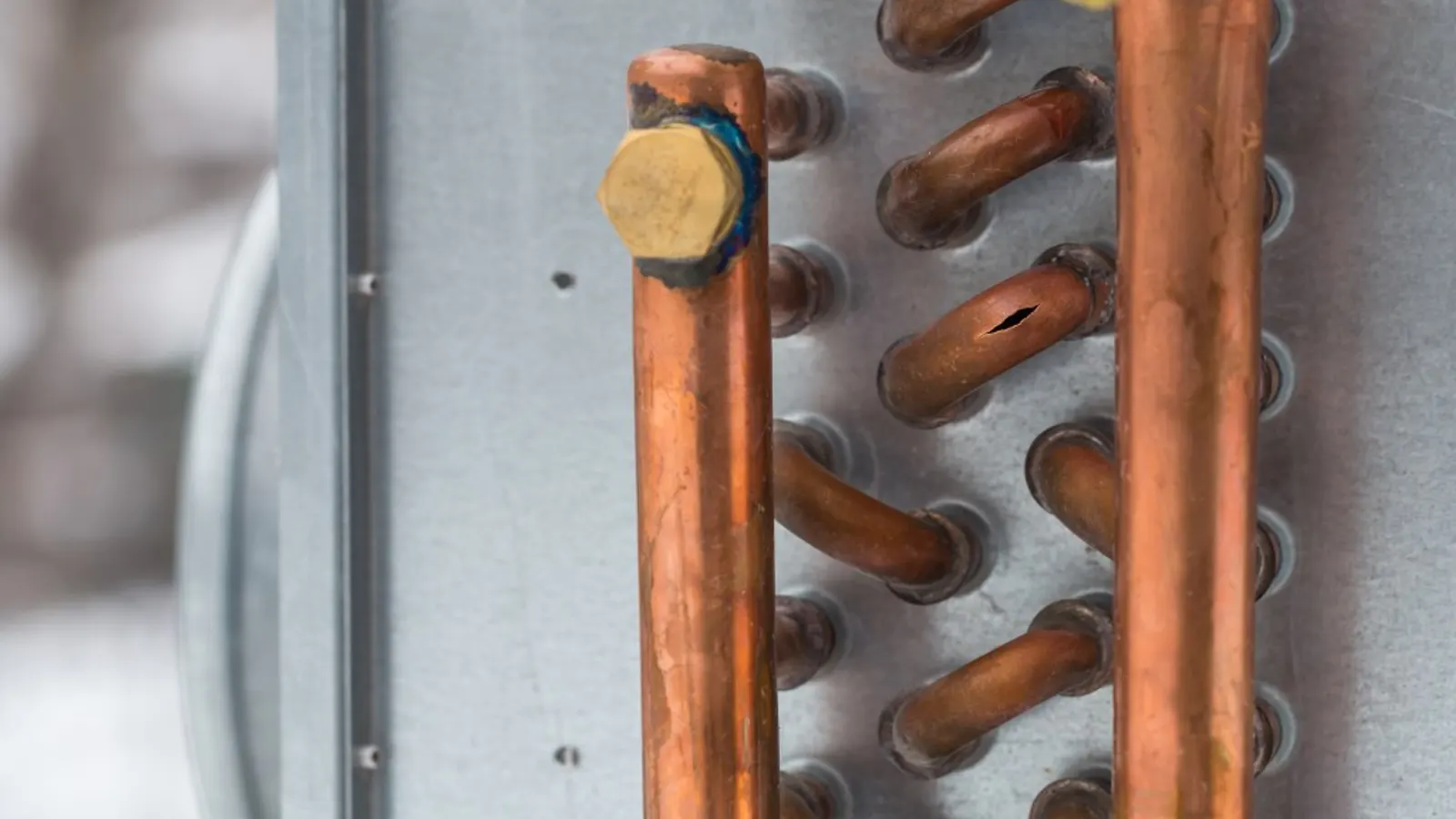
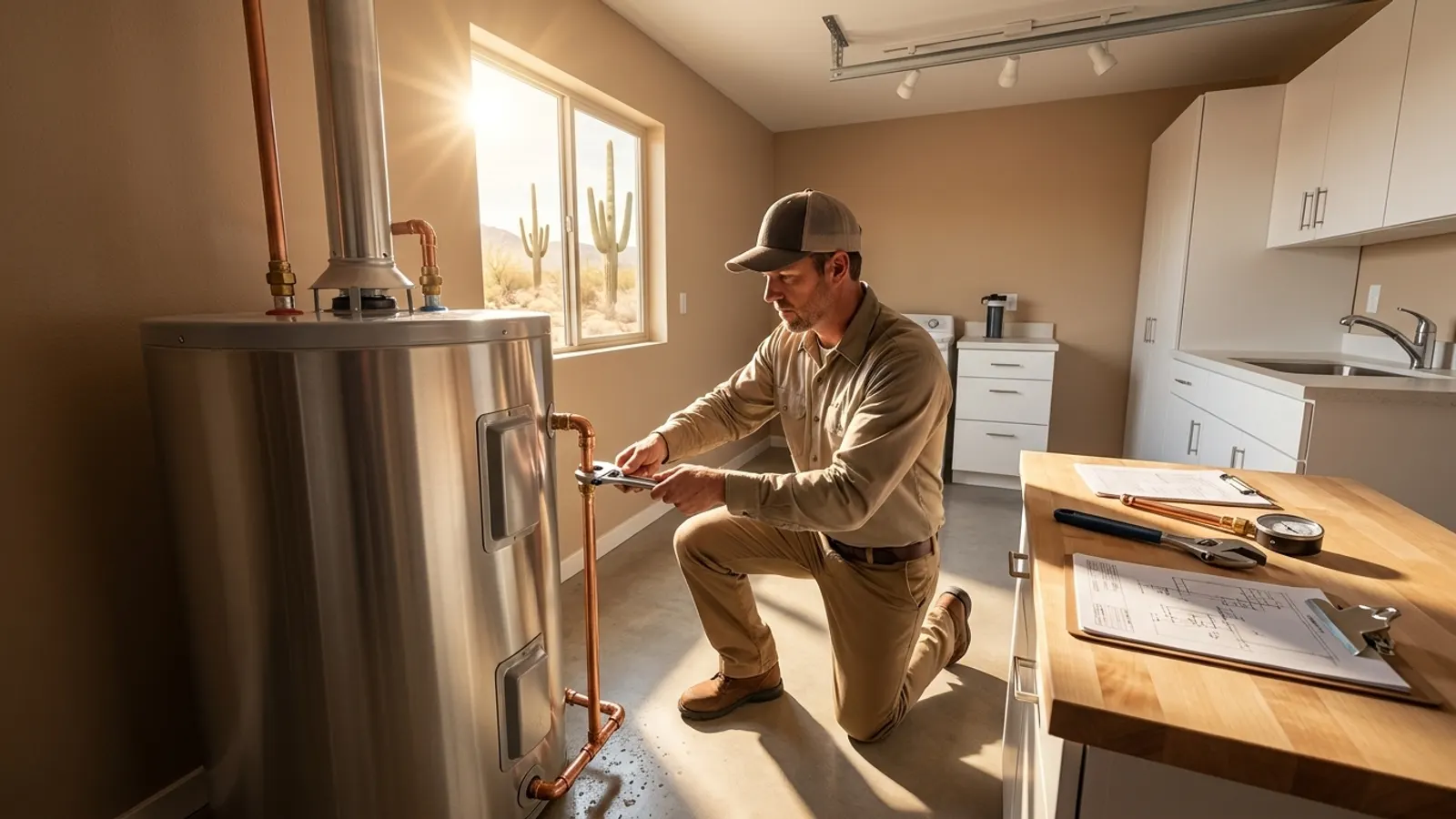
As more homeowners in Mesa, AZ rely on consistent hot water for daily routines, many do not think about their water heater until something goes wrong. At JB Water & Air, one of the most common questions we hear is, what causes a water heater to fail? The reality is that most water heaters do not suddenly stop working without warning. Failure usually happens because of worn components, sediment buildup, or neglected maintenance.
Understanding the most common causes of water heater failure can help you catch small issues early and avoid a full system breakdown.
Electrical or Gas Supply Problems
One of the most common reasons a water heater stops working is a power or fuel supply issue. Electric water heaters rely on functioning breakers, wiring, and heating elements. Gas water heaters depend on a steady gas supply and proper burner operation.
If an electric unit trips the breaker repeatedly or a gas unit struggles to ignite, the system cannot heat water consistently. Supply issues may seem minor at first but can signal deeper electrical or gas control problems that require professional repair.
Failed Heating Elements
Electric water heaters use heating elements to warm the water inside the tank. Over time, these elements can burn out, especially in areas like Mesa where hard water creates heavy mineral buildup.
When sediment collects around heating elements, it insulates them and forces them to work harder. This leads to overheating and eventual failure. If one element fails, you may notice limited hot water. If both fail, you may have no hot water at all.
Malfunctioning Thermostats
The thermostat controls the water temperature inside the tank. If it fails, the water may become too hot, not hot enough, or fluctuate unexpectedly.
A malfunctioning thermostat forces the system to cycle improperly, increasing wear on other components. Over time, this added strain can shorten the lifespan of the water heater.
Sediment Buildup Inside the Tank
Sediment buildup is one of the biggest contributors to water heater failure in Mesa homes. Hard water minerals settle at the bottom of the tank and create a thick layer of sediment.
This buildup causes several problems:
-
Reduced heating efficiency
-
Increased energy usage
-
Overheating of components
-
Popping or rumbling noises
-
Premature tank corrosion
As sediment hardens, it traps heat and stresses the tank lining. Eventually, this leads to cracks, leaks, or total tank failure.
Worn-Out Anode Rod
The anode rod is a critical but often overlooked component. Its job is to attract corrosive elements in the water and protect the tank lining from rust.
Over time, the anode rod deteriorates. Once it is fully depleted, corrosion begins attacking the tank itself. If the rod is not replaced when needed, the tank can rust from the inside out, leading to leaks and structural failure.
Faulty Pressure Relief Valve
The temperature and pressure relief valve is a safety device designed to release excess pressure inside the tank. If this valve fails, pressure can build up and damage the system.
A faulty valve may leak or fail to open when needed. Either situation can compromise the safety and longevity of the water heater.
Aging Pipes and Connections
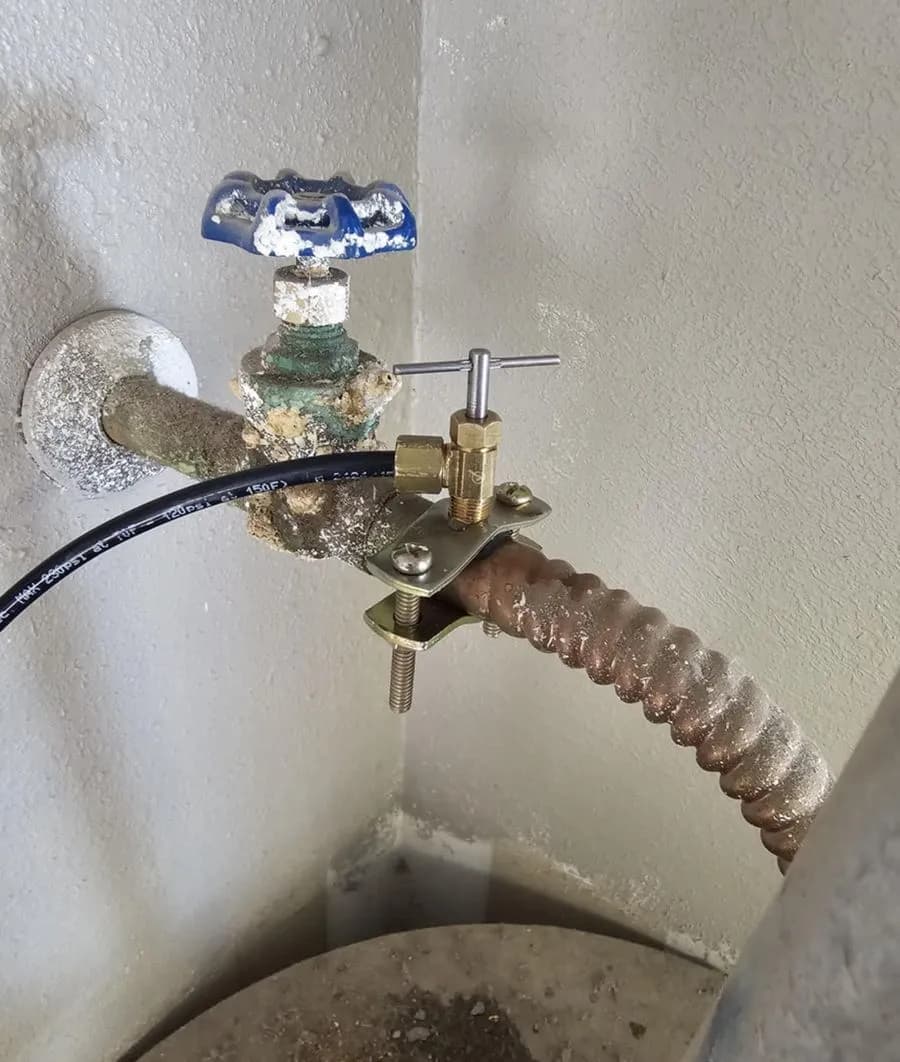
Water heaters are connected to plumbing lines that expand and contract as temperatures change. Over time, fittings, valves, and pipes can weaken or corrode.
Leaks at connections may seem minor but can indicate overall system aging. In older systems, these weaknesses often appear alongside other signs of decline.
Normal Wear and Age
Most traditional tank water heaters last between 8 and 12 years. Even with proper maintenance, components eventually wear out.
As a unit ages, multiple small issues may begin to surface at once. When repair costs stack up and the tank shows signs of corrosion, replacement is often the smarter long term solution.
How Hard Water in Mesa Accelerates Failure
Hard water significantly shortens water heater lifespan. Mineral heavy water increases sediment buildup and accelerates corrosion.
Without regular flushing or water softening, sediment continues to accumulate. This forces the system to work harder, increasing energy bills and reducing overall efficiency.
Installing a water softener can help protect your water heater and extend its lifespan.
Warning Signs You Should Not Ignore
Common warning signs of water heater failure include:
-
Inconsistent or no hot water
-
Rusty or discolored hot water
-
Strange noises from the tank
-
Leaks around the base
-
Rising energy bills
If you notice any of these issues, early intervention can prevent a complete breakdown.
Final Thoughts
So what causes a water heater to fail? Electrical or gas supply issues, failed heating elements, malfunctioning thermostats, sediment buildup, worn anode rods, faulty valves, and simple aging all contribute to system breakdown. In Mesa, hard water makes sediment and corrosion even more likely.
The key to preventing major damage is addressing small problems early. JB Water & Air provides professional water heater repair and replacement services designed for local water conditions.
If your water heater is showing warning signs or struggling to keep up, do not wait for a full failure.
Read the FAQ: What causes a water heater to fail? Watch our video :
If any of these failure causes sound familiar, JB Water & Air can diagnose the problem same-day. Our Mesa water heater repair team recommends the most cost-effective fix — every job backed by a 2-year guarantee.