Why Are Water Softeners Banned In Some States?
As more homeowners in Mesa, AZ look for ways to protect their plumbing from hard water damage, a common question comes up at JB Water & Air. Why are water…
By JB Water & Air · February 5, 2026 · 4 min read
As more homeowners in Mesa, AZ look for ways to protect their plumbing from hard water damage, a common question comes up at JB Water & Air. Why are water softeners banned in some states? With water quality and environmental regulations becoming stricter across the country, many homeowners want to understand what these bans mean and whether water softeners are still a smart and legal choice.
The short answer is that water softeners are not banned everywhere. Restrictions usually target older salt based systems that negatively impact water supplies and wastewater treatment. Understanding why these rules exist helps homeowners choose compliant solutions that protect both their home and the environment.
Why States Started Restricting Water Softeners
Water softener bans are primarily driven by environmental concerns. Traditional salt based water softeners remove calcium and magnesium by replacing them with sodium. During the regeneration process, these systems flush salty wastewater into municipal sewer systems.
In areas facing water shortages or sensitive ecosystems, this sodium rich discharge creates serious problems. Wastewater treatment plants are not designed to remove salt, so it passes through untreated and ends up in rivers, lakes, and groundwater.
Environmental Impact of Older Salt Based Systems
Older water softeners are less efficient than modern designs. They often regenerate too frequently and waste large amounts of water in the process. This creates two major issues.
First, excess water usage strains local water supplies, especially in drought prone regions. Second, the discharged brine increases salinity in wastewater, which can damage soil, harm plant life, and contaminate water sources used for irrigation and drinking.
These impacts are the main reason some states and municipalities introduced bans or strict limits.
Where Water Softeners Are Commonly Restricted
Restrictions are usually local rather than statewide. Some areas in California, Texas, and other western states have enacted bans or permitting requirements for salt based water softeners. These rules are often tied to regional water management plans and environmental protection efforts.
It is important to note that not all water softeners are banned. Many regulations apply only to older or inefficient systems, not modern high efficiency models.
What Types of Systems Are Typically Banned
Most bans focus on conventional salt based water softeners that discharge brine into the sewer system. These systems are seen as outdated and environmentally harmful in certain regions.
Newer high efficiency softeners and alternative treatment systems are often allowed because they use less salt, regenerate based on actual water usage, and waste far less water.
Modern Water Softener Alternatives
Today’s water treatment technology offers several options that comply with environmental regulations while still protecting plumbing systems.
High efficiency salt based softeners use significantly less salt and water during regeneration. Some models regenerate only when needed, reducing waste.
Salt free conditioning systems do not remove minerals but prevent scale from forming inside pipes and appliances. These systems do not discharge sodium and are often approved in restricted areas.
Many homeowners also combine water conditioning with filtration systems to improve water quality without violating local rules.
Why Hard Water Is Still a Problem in Mesa
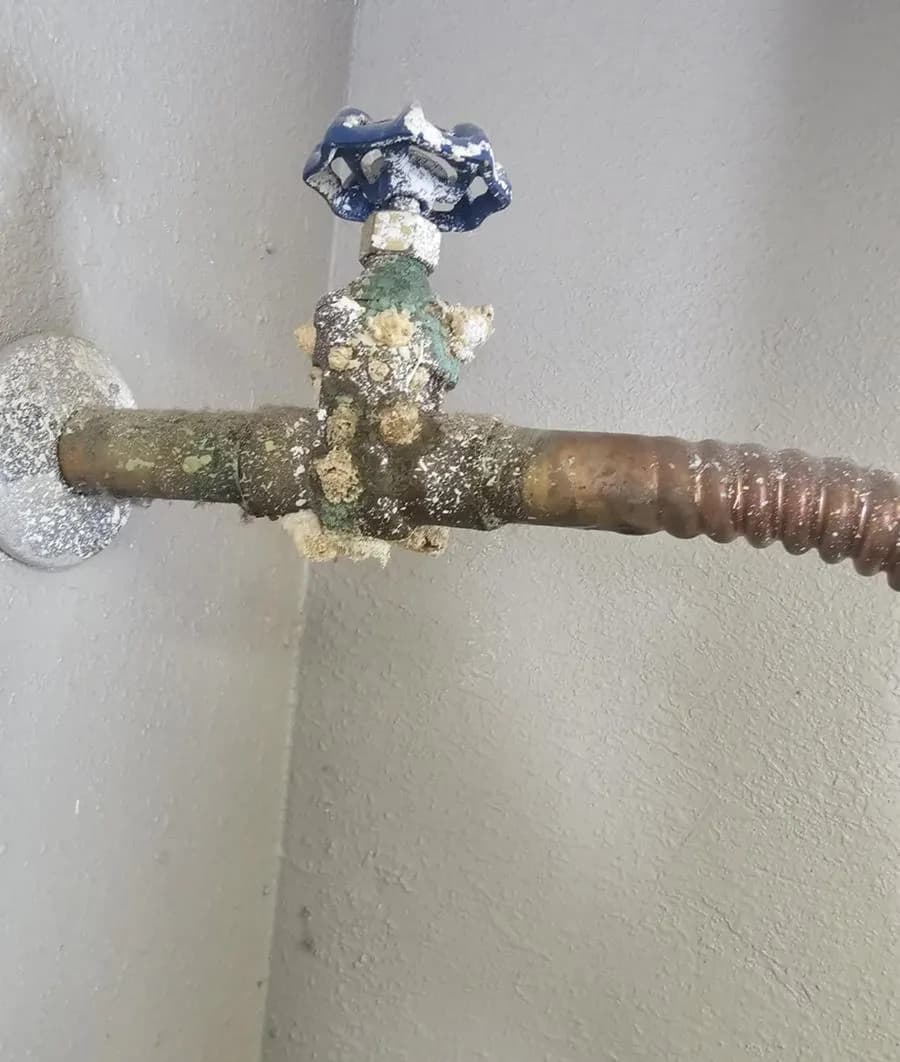
Hard water is a major issue for Mesa homeowners. Mineral buildup causes scale inside pipes, water heaters, and appliances, leading to reduced efficiency and shorter equipment lifespan.
Water heaters are especially vulnerable. Sediment buildup increases energy use, causes overheating, and leads to premature failure. This is why some form of water treatment is still important, even in areas with restrictions.
How JB Water & Air Helps Homeowners Stay Compliant
At JB Water & Air, we stay up to date on local and regional water regulations. Our team helps homeowners choose water treatment solutions that comply with applicable rules while still protecting their plumbing system.
We evaluate your water hardness, plumbing setup, and local requirements before recommending a system. This ensures you get effective protection without risking fines or compliance issues.
Common Myths About Water Softener Bans
One common myth is that all water softeners are banned. This is not true. Restrictions usually apply to specific types of systems and only in certain locations.
Another misconception is that water softeners are harmful by default. Modern systems are far more efficient and environmentally responsible than older designs.
Understanding the facts helps homeowners make informed decisions instead of avoiding water treatment altogether.
Final Thoughts
So why are water softeners banned in some states? The bans are primarily aimed at older salt based systems that waste water and discharge high levels of sodium into wastewater. Environmental protection and water conservation are the driving factors behind these rules.
For homeowners in Mesa, the key is choosing the right system. Modern water softeners and alternative conditioning systems can protect your plumbing while meeting environmental standards. JB Water & Air helps homeowners find compliant solutions that balance performance, efficiency, and responsibility.
If you are concerned about hard water damage or unsure which systems are allowed, now is the time to talk with a local expert.
Read the FAQ: Why are water softeners banned in some states? Watch our video :
Arizona has no ban on water softeners, and Mesa’s 17 gpg hardness makes one a smart investment. JB Water & Air specialises in water softener installation in Mesa AZ — free water test, same-day service, 2-year guarantee.